Armin Awan
Australian of Iranian and Pakistani origin
Being There (2026)
Single-channel digital video (colour, sound)
Chapter
summary
In 2021, Spain made history by granting each parent—regardless of sex or gender—16 weeks of paid, non‑transferable leave. The reform sought to disrupt long‑standing…
Prof. Vijeyarasa's
reflections
It was a privilege to watch Armin create this work, as an experienced filmmaker but also a father. His piece reflects a growing recognition that gender equality in countries…
Chapter summary
Parental Leave: Detangling Pregnancy and Parenting
to Challenge the “Sexed” and “Gendered” Nature of Leave
In 2021, Spain made history by granting each parent—regardless of sex or gender—16 weeks of paid, non‑transferable leave. The reform sought to disrupt long‑standing patterns in which mothers shoulder most childcare. Around the world, parental‑leave laws remain deeply “sexed” and “gendered”: maternity leave is almost universal, while paternity leave is often minimal, and fathers rarely use paid parental leave unless it is non‑transferable and well‑paid. Nordic countries lead with generous, publicly funded schemes that use gender‑neutral terms such as “birth leave,” but much of Asia and Latin America lags far behind. The challenge is twofold: separating pregnancy from parenting while still protecting women’s health and rights after birth. Critics warn that replacing “mothers” with “parents” risks obscuring discrimination against women and undermining hard‑won maternity protections. How, then, can law reshape assumptions about work, care and responsibility so that parenting becomes genuinely shared, as international law envisioned decades ago?
Open Access: (Read online or download free)
Artist statement
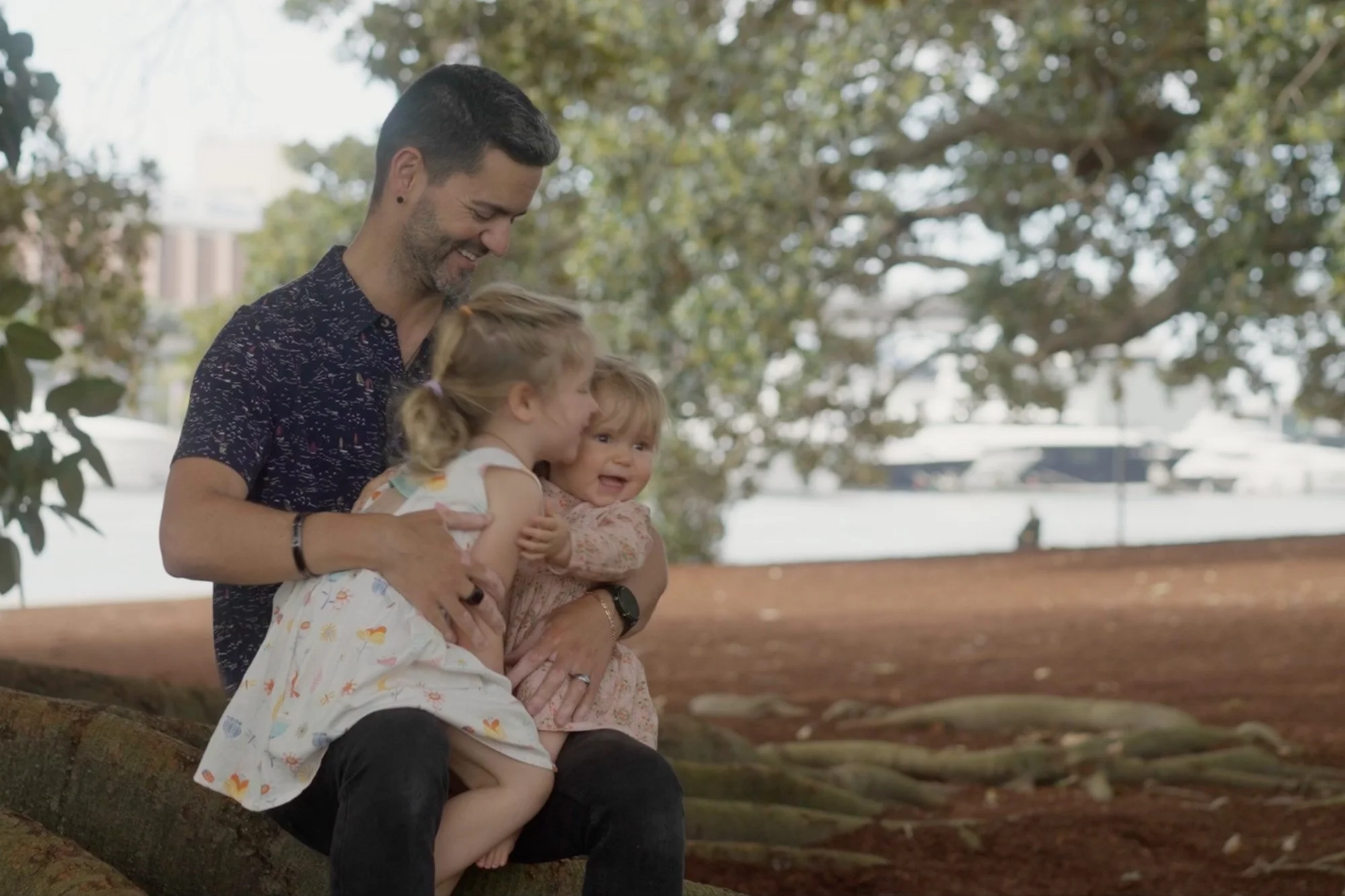
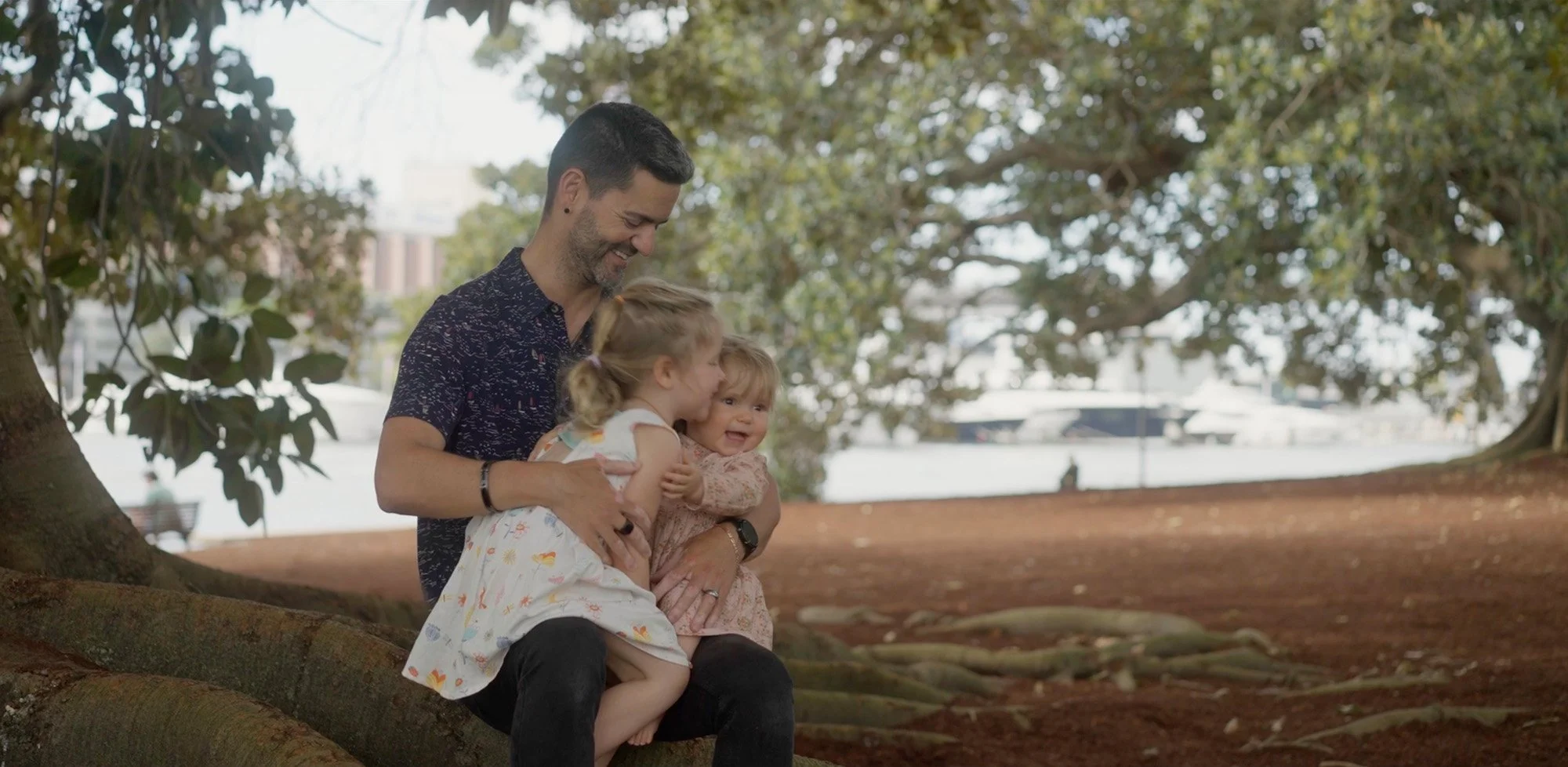
How many firsts have fathers quietly missed? The first smile. The first word. The first unsteady steps across the floor. For many families, this absence was long considered simply the way things were, part and parcel of everyday life. Only recently have we begun to question these expectations—and to imagine what might change when fathers are given the time and permission to stay close.
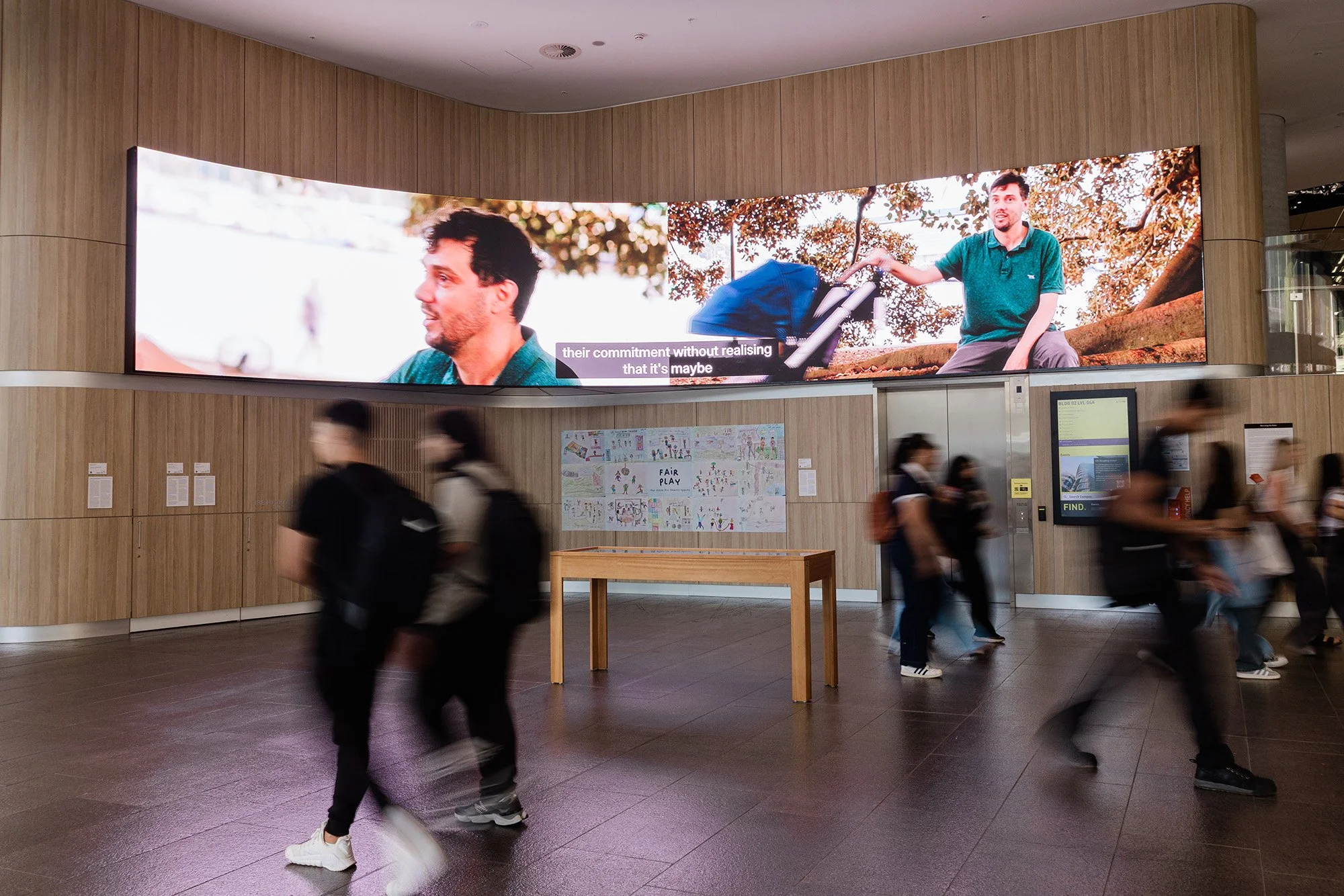
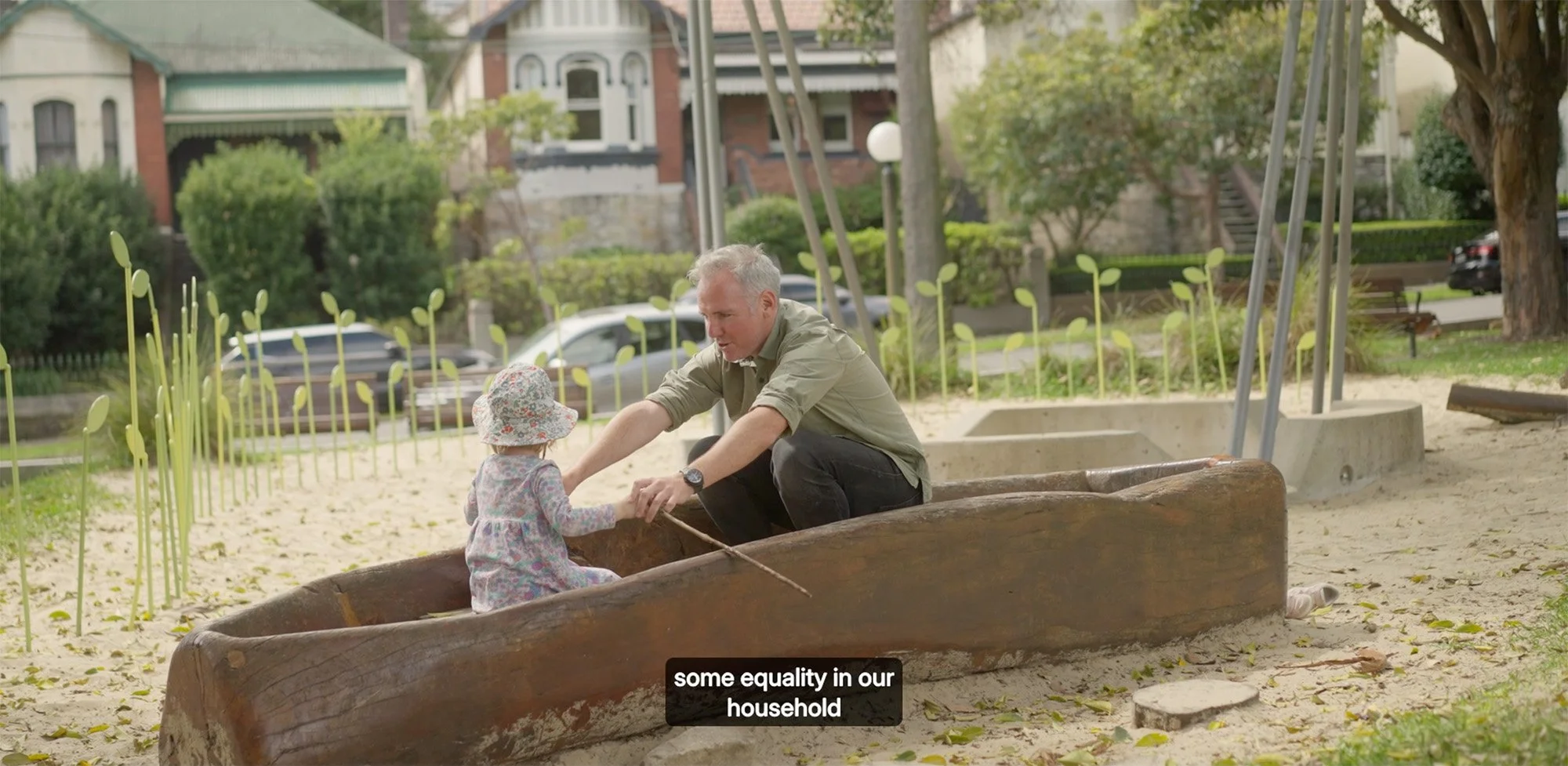
This film was created by listening to a small group of fathers who had taken parental leave and were actively caring for their children at home. I wanted to understand their experiences of fatherhood, work and care, and to observe the texture of daily life. What emerged was not simply commentary on policy or systems. It became a portrait of tenderness, identity and quiet transformation.
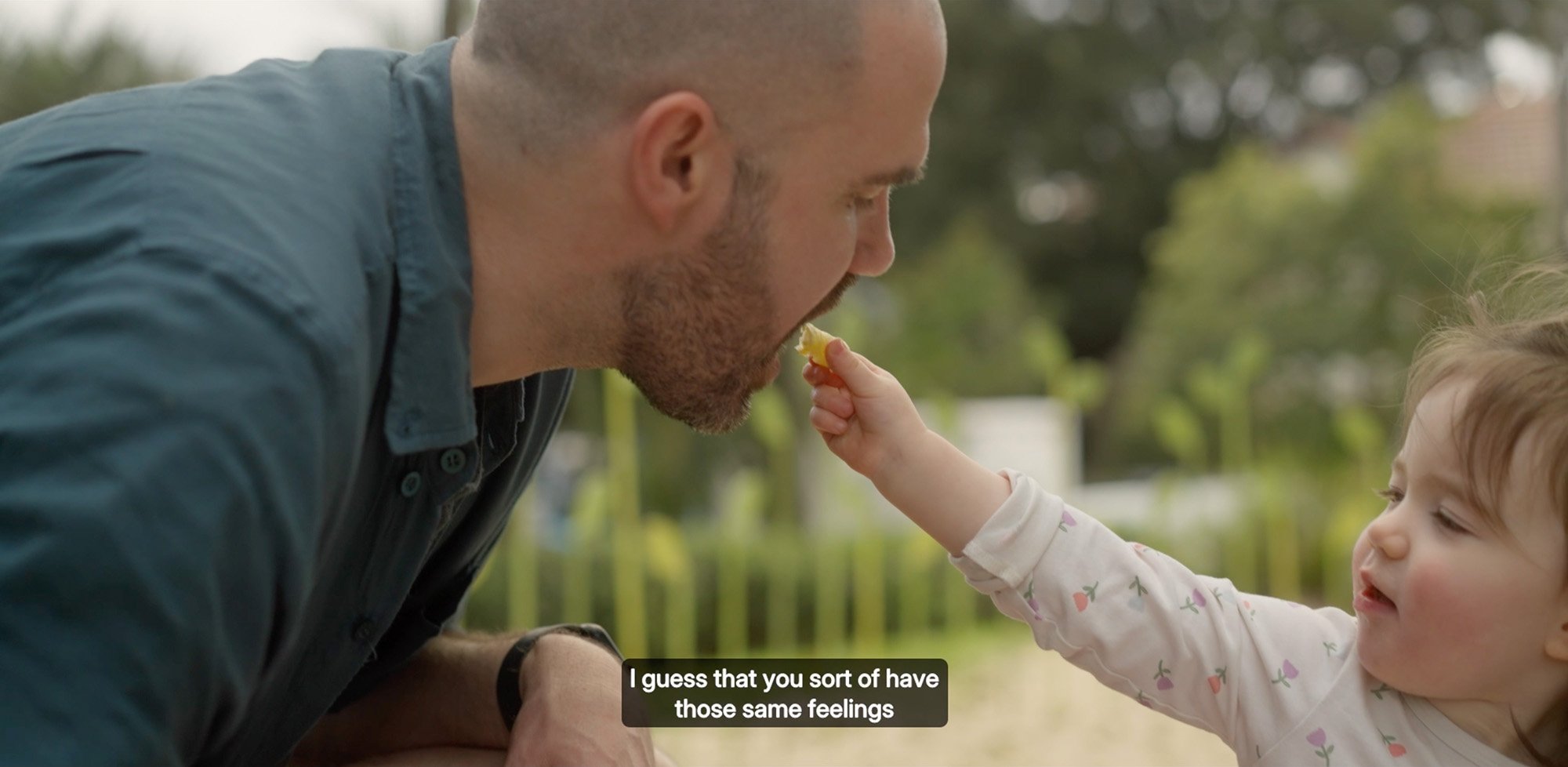
As a parent myself with two young children, I recognised so much of what they described: the sleeplessness, the chaos, the tug-of-war between work and presence. But what struck me beyond the words was how these fathers were with their children – the way they listened, laughed, guided and knelt down to the level of their little ones. They weren’t just fathers. They were companions. Playmates. Safe places.
These men are participating in a social shift. They are reshaping expectations around masculinity and care, not loudly or through slogans, but through the simple act of showing up. They are creating homes where responsibility and opportunity are shared. In supporting their partners’ careers, they are quietly challenging deeply ingrained gender norms. In taking leave, they are taking love seriously.
The film is not about perfection. It is about effort, intention, and the courage to choose connection even when systems, workplaces or cultural assumptions don’t always make that choice easy. Some of the men still felt stigma when taking leave. Others worried about career progression or how their choices would be perceived. Yet they stepped into care regardless. That quiet resistance—or perhaps that quiet love—is something I deeply admire.
What I discovered while making this work was a form of intimacy rooted in the everyday. Shoes being tied. Stories being read. Games imagined. These moments may look small, but they are foundational. They shape how children see the world, and how they see themselves within it.
Ultimately, this film is a love letter to fathers who are making space for care, and to families rewriting the story together. It is also a reminder that systems must evolve alongside us, creating real and equal opportunities for all parents to participate in the emotional and practical work of raising children.
These dads are a breath of fresh air. They offer a glimpse of what a more balanced world could look like. And I am grateful to have witnessed—and shared—a small piece of their journey.
Prof. Vijeyarasa's reflections
It was a privilege to watch Armin create this work, as an experienced filmmaker but also a father. His piece reflects a growing recognition that gender equality in countries like Australia depends on addressing the unequal burden of care carried by mothers and on ensuring that men and partners can genuinely share that responsibility. Through the stories of four fathers, Being There captures the experiences of parents for whom sometimes the law, but also, at times, society fails to allow them to be present. Each father spoke, often quite emotionally, about the challenges of parenting, but also about navigating employers, workplaces, families and societal expectations that rarely match what they want as dads. Armin captured these complexities perfectly in this film which we hope can be used to advocate for ongoing reforms to Australia’s paid parental leave scheme.