Tori-Jay Mordey
Torres Strait Islander
Women’s Business (2025)
Acrylic Paint on Canvas
Chapter
summary
Corporate board quotas, first introduced in Norway in 2005, are one of the few evidence‑based legal tools shown to accelerate gender diversity on boards…
Artist
statement
When creating this piece, I looked at the juxtaposition of women within the corporate world and I thought a lot about how women function in different communities…
Prof. Vijeyarasa's
reflections
When I first encountered Tori‑Jay’s work, its vibrancy struck me immediately, just as her energy did when we first spoke from her base in Meanjin/Brisbane…
Chapter summary
Corporate quotas: Legal tools in the Struggle for Boardroom Equality
Corporate board quotas, first introduced in Norway in 2005, are one of the few evidence‑based legal tools shown to accelerate gender diversity on boards. Gains exist—Barclays Bank Kenya reached gender parity on its board in 2014—but globally women still held only 19.7 per cent of board seats in 2022 and near‑equal representation is not expected until 2038. The male dominance that persists on corporate boards worldwide is so incredibly stark – even starker than the underrepresentation of women in politics—that such a drastic, even ‘intrusive’ intervention appears called for. Yet do these women board members remain too distant from the “revolutionary feminism of the streets, outside the corrupt system of power and prestige”? Have we just gone from “golden suits” to “golden skirts”, with an inevitable concentration of power in the hands of a few elite, highly educated professional women? Ultimately, this chapter asks: if not quotas, then what? And if we wait for organic change, how long must women wait to see real transformation?
Open Access: (Read online or download free)
Artist statement
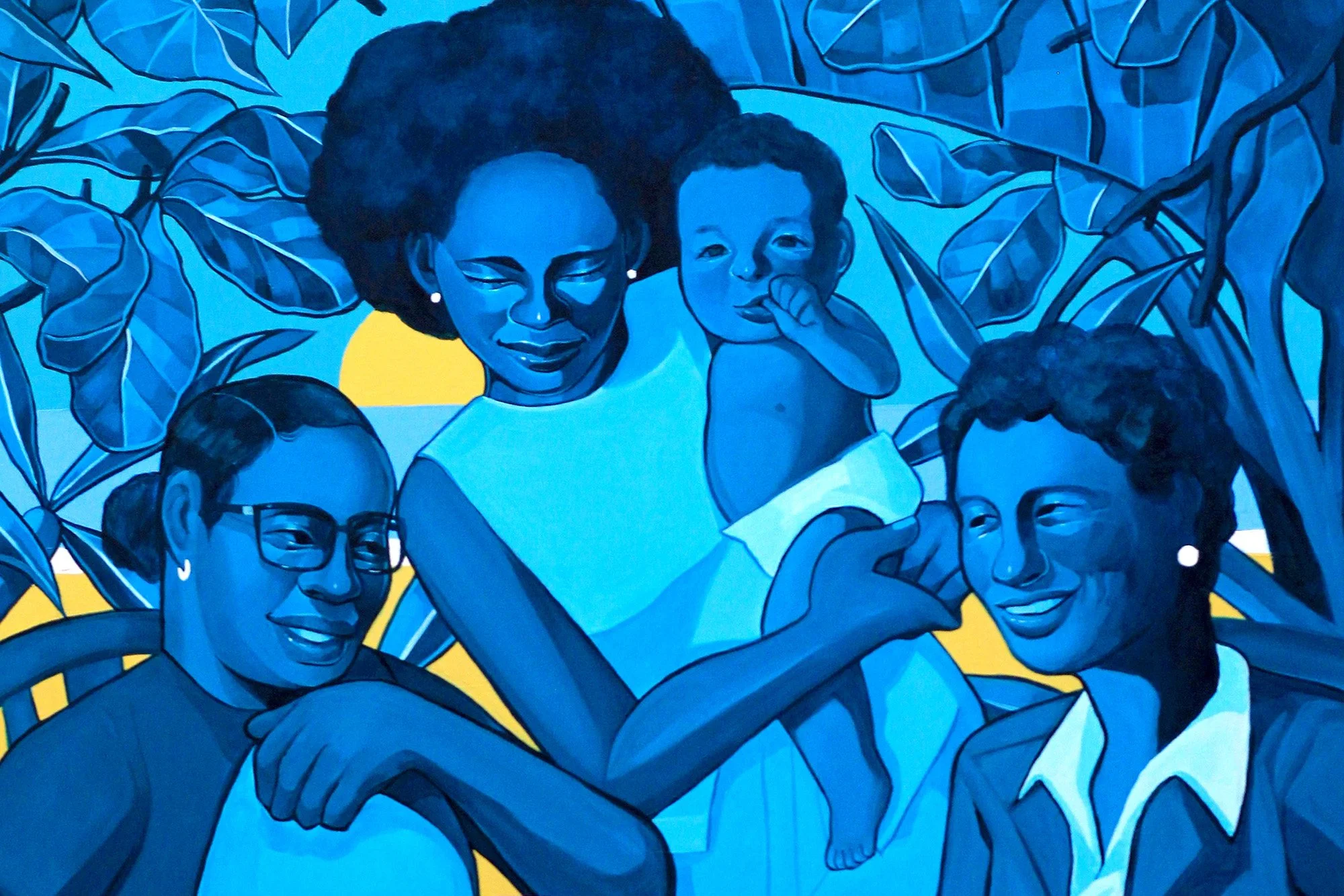
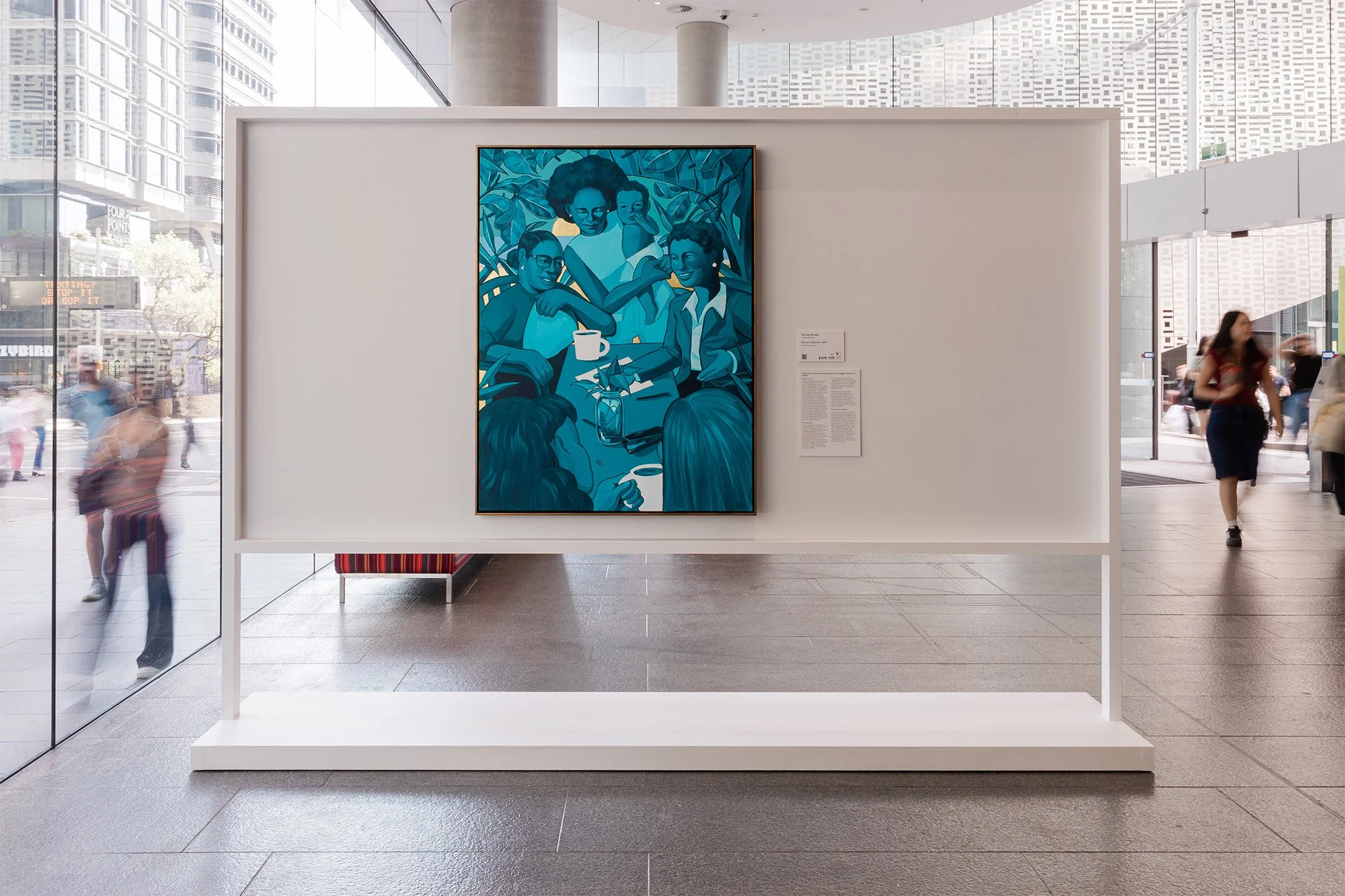
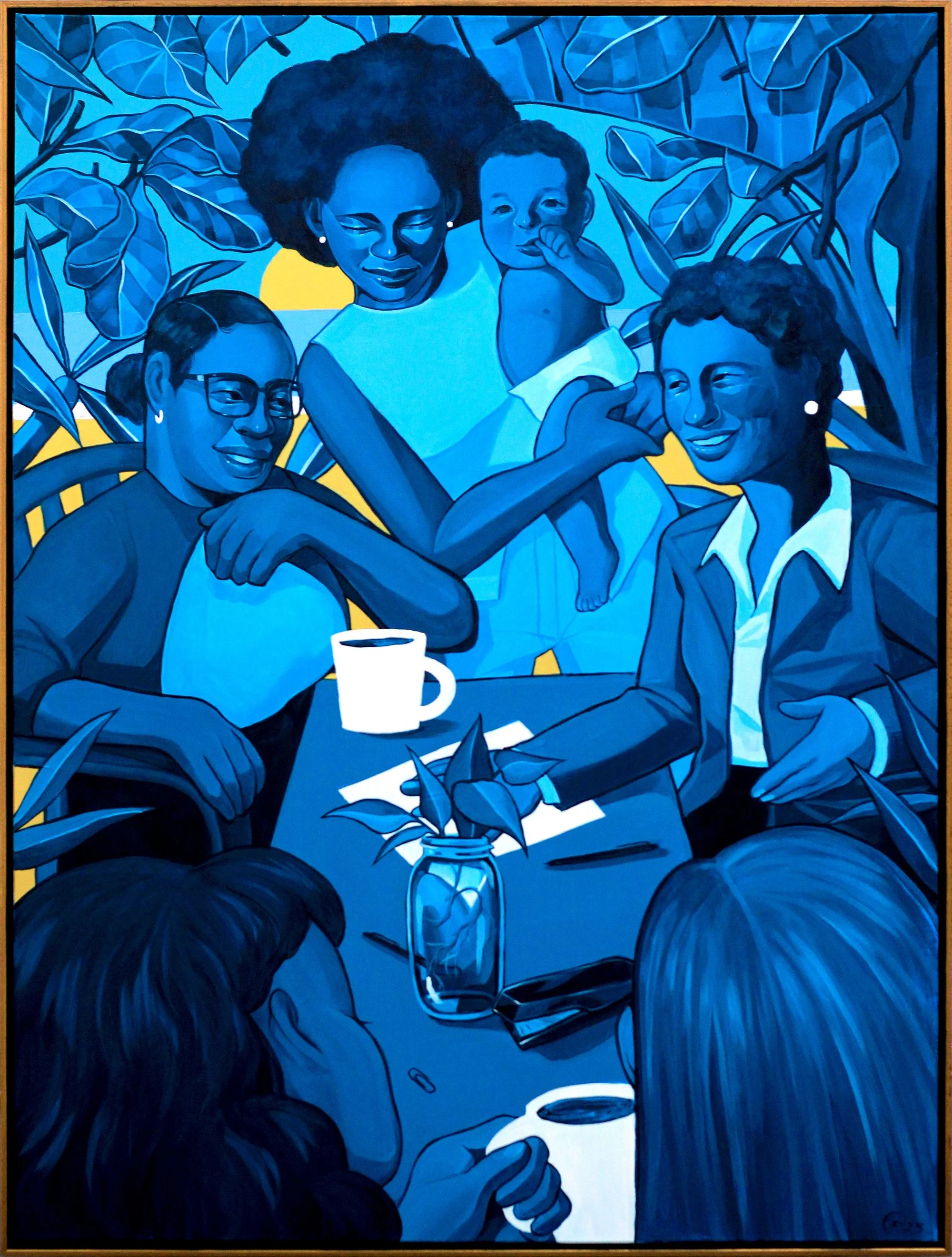
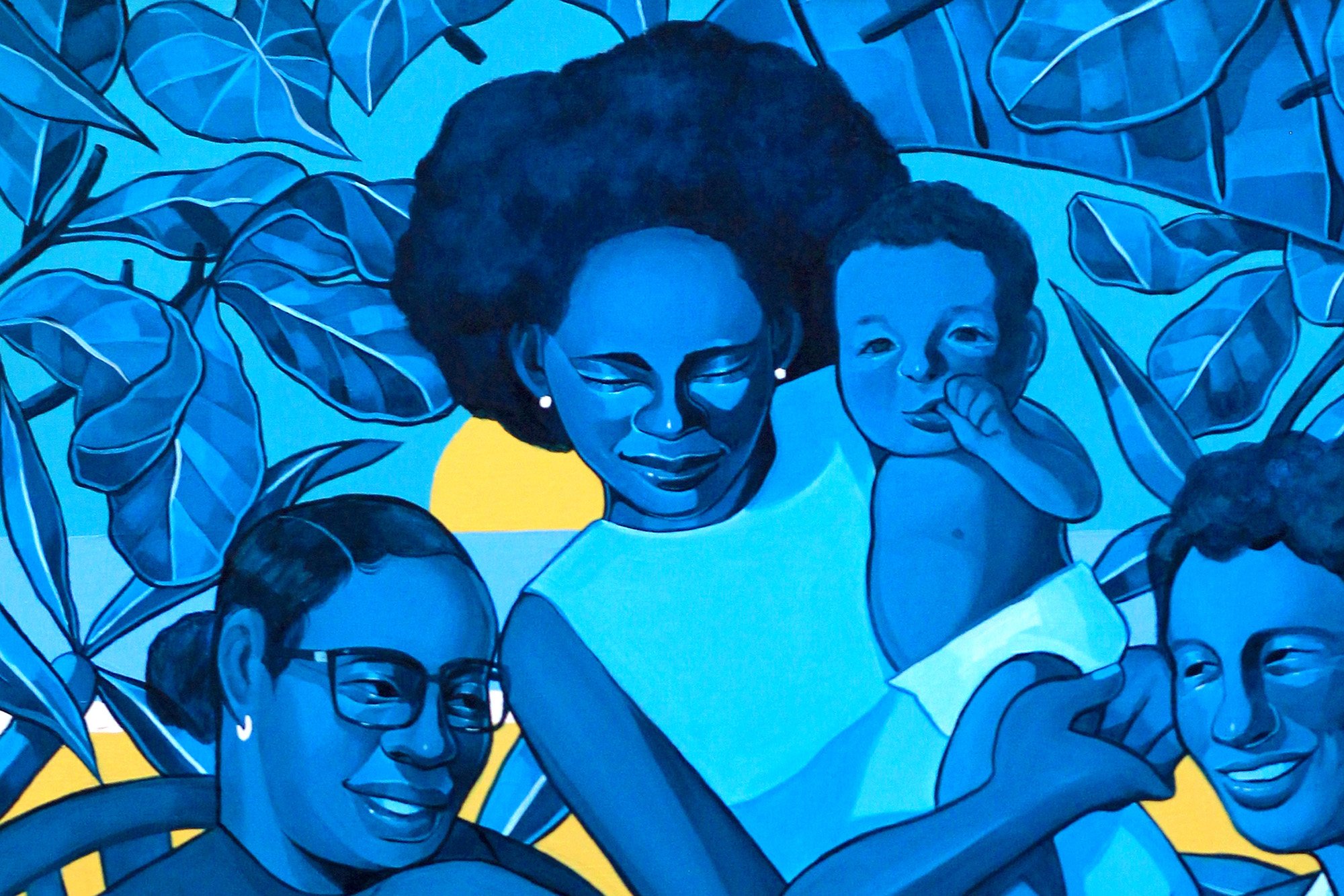
When creating this piece, I looked at the juxtaposition of women within the corporate world and I thought a lot about how women function in different communities. Culturally, women play a strong role within communities. This is especially true within the Torres Straits. I fear that men in corporate settings can greatly underestimate the positive impact women can have; particularly when it comes to building trust, fostering collaboration, and creating inclusive spaces that strengthen both morale and productivity. Women’s leadership styles are rooted in empathy, collective decision making and rationale.
It can be argued that culturally there is segregation when it comes to Men’s business and Women’s business. However, when these two worlds collide and meet in the middle, I find the core values for both sides to be present during decision making amongst the greater community.
In chapter 6 of Rewriting the Rules, it talks about the struggle of “economic gain with little attention to the underlying drivers of inequality”. There are major hardships with women finding a place within the corporate world, yet the few women who do make it showed statistical improvements and enhanced productivity to the company alone. But with that comes being explicitly monitored, gender stereotyped, and fear of being tokenised. Generally speaking they aren’t taken seriously.
With this piece, I wanted to depict a sanctuary of peace and leadership, a space where women’s influence is both acknowledged and celebrated, where strength and passion can coexist. Visually, I looked to strike a balance between traditional community structures and modern leadership, illustrating how women’s guidance continues to nurture connection, resilience and progress.
Prof. Vijeyarasa's reflections
When I first encountered Tori‑Jay’s work, its vibrancy struck me immediately, just as her energy did when we first spoke from her base in Meanjin/Brisbane. On that call, I was humbled to see my chapter in her hands, marked with her thoughts, as we discussed how to move beyond the familiar image of corporate boards: mostly men, dark suits, city skyscrapers. In Women’s Business, Tori‑Jay offers a powerful alternative. She captures what it means for Torres Strait Islander women to gather on their own terms, following the cultural roles and practices that shape how decisions are made in their communities. Her piece is vivid, grounded and distinctly different, posing a stark challenge to the realities in which women, especially diverse women, still struggle to claim a seat at the table.